At-Home Sleep Testing: The Growing Trend Helping Australians Diagnose Sleep Issues Faster
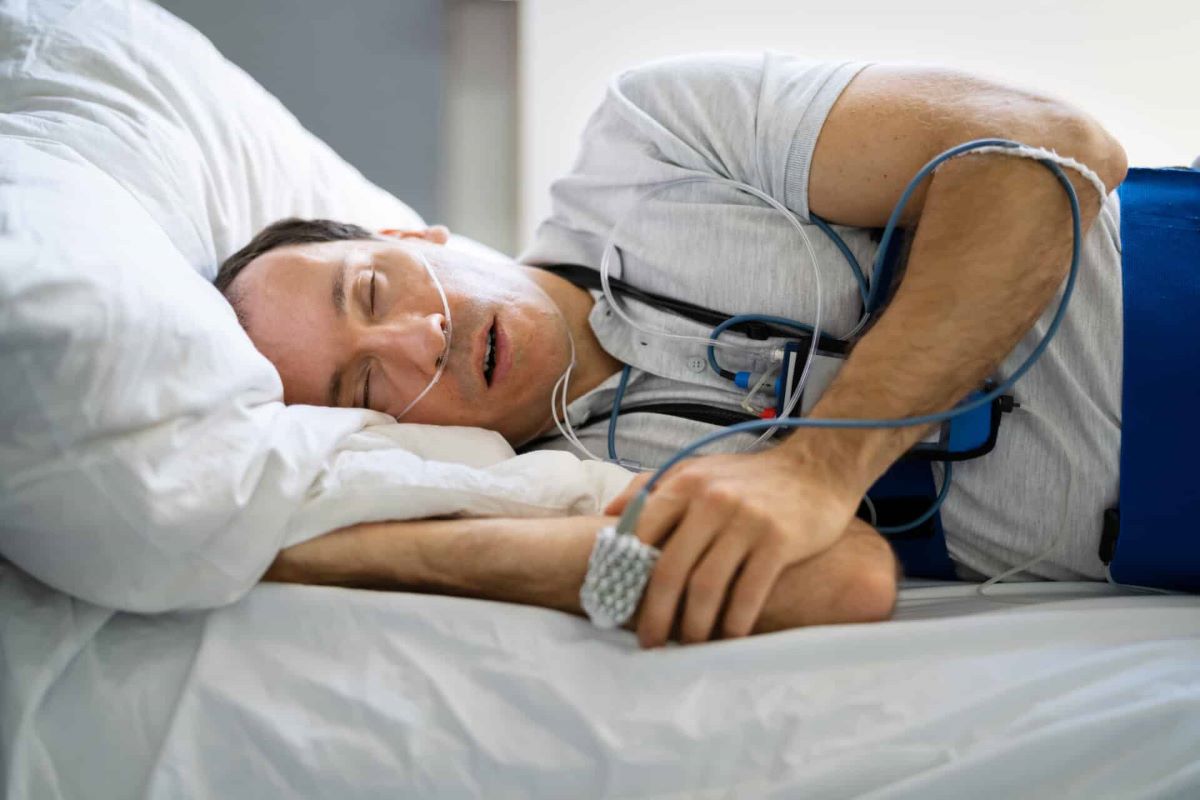
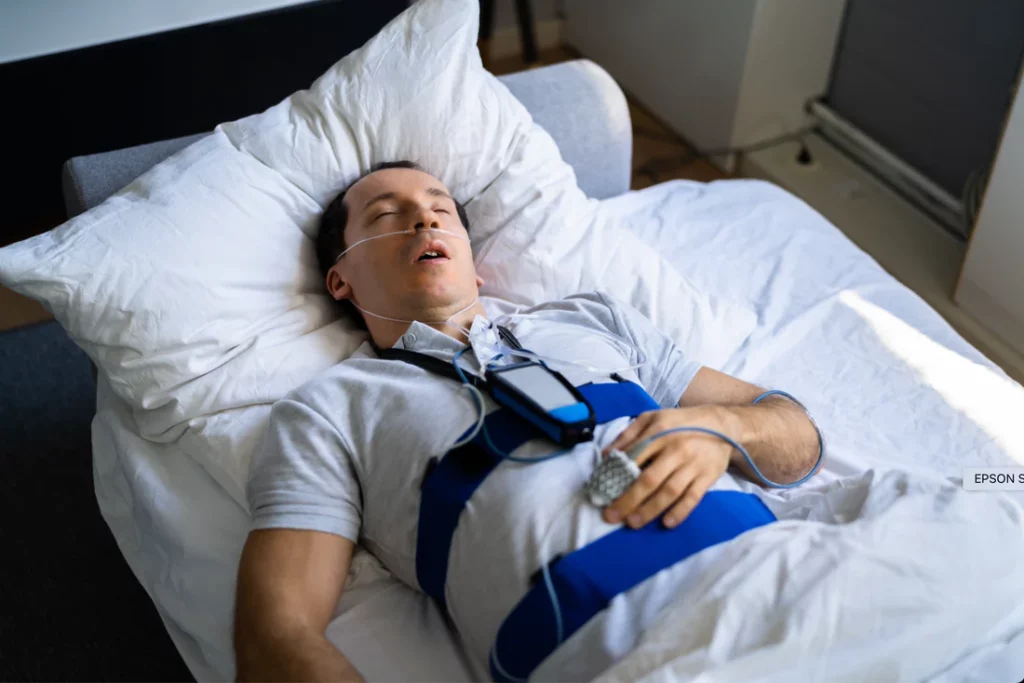
Modern home sleep testing devices record several critical parameters that help physicians identify sleep disorders. For anyone searching for a sleep apnea test near me, understanding these measurements can help you know what to expect from the diagnostic process:
Respiratory airflow tracks breathing patterns through nasal sensors, detecting pauses or reductions in breathing that characterize sleep apnea events. These measurements reveal how often and how severely breathing disruptions occur during sleep—key information when undergoing a sleep apnea test near me.
Blood oxygen saturation uses pulse oximetry to monitor oxygen levels continuously. Drops in oxygen saturation often correlate with breathing interruptions and indicate the severity of sleep-disordered breathing.
Heart rate monitoring captures cardiovascular responses during sleep. Fluctuations in heart rate can signal arousal events and help identify patterns associated with sleep disturbances.
Body position and movement sensors detect whether a patient sleeps on their back, side, or stomach. Position data proves valuable since some individuals experience worse sleep apnea in certain sleeping positions.
Respiratory effort bands measure chest and abdominal movement, distinguishing between obstructive events (where breathing effort continues despite airway blockage) and central events (where breathing effort ceases).
What Is At-Home Sleep Testing and How Does It Work?
At-home sleep testing allows patients to monitor their sleep patterns using portable diagnostic equipment in their own bedrooms rather than spending a night in a clinical sleep laboratory. This modern approach to sleep study technology has transformed how Australians access diagnosis for conditions like obstructive sleep apnea, making the process more convenient and less intrusive.
The home sleep test involves wearing a compact device that captures essential physiological data throughout the night. Patients typically receive the equipment from their healthcare provider along with clear instructions for setup and use. The device is designed to be user-friendly, with most systems requiring minimal technical knowledge to operate correctly.
Core Data Collection During Home Sleep Studies
Modern home sleep testing devices record several critical parameters that help physicians identify sleep disorders:
- Respiratory airflow tracks breathing patterns through nasal sensors, detecting pauses or reductions in breathing that characterize sleep apnea events. These measurements reveal how often and how severely breathing disruptions occur during sleep.
- Blood oxygen saturation uses pulse oximetry to monitor oxygen levels continuously. Drops in oxygen saturation often correlate with breathing interruptions and indicate the severity of sleep-disordered breathing.
- Heart rate monitoring captures cardiovascular responses during sleep. Fluctuations in heart rate can signal arousal events and help identify patterns associated with sleep disturbances.
- Body position and movement sensors detect whether a patient sleeps on their back, side, or stomach. Position data proves valuable since some individuals experience worse sleep apnea in certain sleeping positions.
- Respiratory effort bands measure chest and abdominal movement, distinguishing between obstructive events (where breathing effort continues despite airway blockage) and central events (where breathing effort ceases).
Comparing Home Tests with Laboratory Polysomnography
Traditional in-lab polysomnography represents the gold standard for comprehensive sleep evaluation. These studies take place in dedicated sleep centers where patients spend the entire night connected to extensive monitoring equipment. Laboratory polysomnography captures everything home tests measure plus additional neurological data:
- Brain wave activity (EEG) identifies different sleep stages and arousal patterns
- Eye movements help determine REM and non-REM sleep phases
- Muscle tone measurements detect conditions like periodic limb movements
Why Is At-Home Sleep Testing Becoming More Popular Among Australians?
The convenience of home testing has transformed how Australians approach sleep disorder diagnosis. Patients can now complete comprehensive sleep studies in their own beds, eliminating the need to spend a night in an unfamiliar clinical environment while connected to extensive monitoring equipment.
The Comfort Factor Changes Everything
Sleeping in your own bedroom fundamentally alters the testing experience. Traditional sleep laboratories, despite their clinical sophistication, present an artificial environment that can affect natural sleep patterns. The unfamiliar surroundings, different mattress, and awareness of being monitored often create anxiety that interferes with typical sleep behaviour.
Home testing captures sleep data during normal routines. Patients use their regular pillows, maintain their usual bedtime rituals, and sleep in their preferred position without the self-consciousness that comes with laboratory observation. This patient comfort advantage produces more representative data reflecting actual nightly sleep patterns rather than a single night affected by environmental stress.
The psychological benefit extends beyond physical comfort. Many Australians report feeling less anxious about the diagnostic process when they can remain in their personal space. This reduced stress level can be particularly important for individuals who already experience sleep anxiety or have claustrophobic tendencies.
Logistical Barriers Disappear
Accessibility sleep diagnosis has improved dramatically through home testing options. Traditional polysomnography requires patients to:
- Travel to a sleep clinic, often located in major metropolitan areas
- Arrange overnight accommodation if the facility is distant from home
- Take time off work for evening appointments and morning disconnection
- Coordinate transportation for late-night arrival and early-morning departure
- Manage childcare or pet care arrangements for the overnight absence
Home testing eliminates these complications entirely. Patients receive equipment through mail delivery or brief clinic visits, apply the monitoring devices following straightforward instructions, and return the equipment the next day. This streamlined approach particularly benefits regional and rural Australians who previously faced significant travel requirements to access sleep diagnostic services.
The time investment drops substantially. Where laboratory studies might require an entire evening and following morning, home tests demand only the time needed for device application before bed and removal upon waking. Working Australians can complete testing without requesting leave, and parents can remain home with their children.
Speed Delivers Better Health
Who Is Suitable for At-Home Sleep Testing?
At-home sleep testing works best for patients with suspected obstructive sleep apnea who don’t have complex medical conditions that could interfere with test accuracy. The ideal candidate is someone experiencing typical sleep apnea symptoms—loud snoring, witnessed breathing pauses, excessive daytime sleepiness—without significant underlying health complications.
Patient selection criteria play a crucial role in determining whether home testing provides reliable results. Adults with a moderate to high probability of obstructive sleep apnea based on their symptoms and risk factors typically qualify as excellent candidates. These individuals usually present with classic warning signs: habitual snoring, gasping during sleep, morning headaches, and difficulty staying alert during the day.
Patients without severe comorbidities and testing suitability concerns generally achieve accurate diagnostic results through home monitoring. The straightforward nature of their sleep complaints allows the simpler home equipment to capture the necessary physiological data without requiring the comprehensive monitoring available only in laboratory settings.
When Home Testing May Not Be Appropriate
Several medical conditions create contraindications home sleep test scenarios where laboratory polysomnography becomes necessary. Patients with neuromuscular diseases such as muscular dystrophy or myasthenia gravis require the detailed monitoring that only in-lab studies provide. These conditions affect breathing mechanics in ways that home devices may not adequately capture.
Severe chronic obstructive pulmonary disease (COPD) represents another situation where laboratory testing offers superior diagnostic value. The complex interaction between COPD and sleep-disordered breathing requires careful evaluation of multiple physiological parameters simultaneously. Home devices, while sophisticated, cannot match the comprehensive data collection of full polysomnography.
Significant cardiovascular conditions also warrant in-lab testing. Patients with:
- Congestive heart failure
- Unstable angina
- Recent heart attack or stroke
- Severe cardiac arrhythmias
These individuals benefit from the continuous monitoring and immediate medical support available in sleep laboratory environments. The presence of medical staff throughout the night provides an essential safety net for patients with serious heart conditions.
Complex Sleep Disorder Presentations
Suspected central sleep apnea, rather than the more common obstructive type, requires laboratory evaluation. Central sleep apnea involves the brain’s failure to signal
How Does Medicare Support At-Home Sleep Testing in Australia?
Medicare provides reimbursement for home sleep tests when specific eligibility requirements are met, making this diagnostic option financially accessible for many Australians. The Australian health policy sleep disorders framework recognizes at-home testing as a valid diagnostic tool for patients at high risk of obstructive sleep apnea, provided they meet the necessary clinical criteria.
Understanding Medicare Eligibility Requirements
Medicare reimbursement home sleep tests are available to patients who demonstrate a high pre-test probability of obstructive sleep apnea based on clinical assessment. The patient must present with symptoms suggestive of sleep-disordered breathing, such as witnessed apneas, excessive daytime sleepiness, loud snoring, or morning headaches. The Medicare Benefits Schedule (MBS) requires that patients receiving coverage for home testing do not have significant comorbidities that would compromise the accuracy of home-based monitoring.
Patients with complex medical conditions—including severe heart failure, significant respiratory disease, or suspected central sleep apnea—typically fall outside the eligibility criteria for Medicare-funded home testing. These individuals require the comprehensive monitoring capabilities of in-laboratory polysomnography to ensure accurate diagnosis and appropriate treatment planning.
The GP Referral Pathway
GP referrals for sleep testing serve as the gateway to accessing Medicare-supported home sleep studies. General practitioners play a critical role in identifying patients who may benefit from sleep testing and determining whether home-based or laboratory-based assessment is most appropriate. The referral process begins with a thorough clinical evaluation during which the GP assesses sleep-related symptoms, medical history, and risk factors for obstructive sleep apnea.
The referral process typically involves:
- Clinical assessment of sleep symptoms and their impact on daily functioning
- Evaluation of relevant risk factors including body mass index, neck circumference, and anatomical features
- Review of existing medical conditions that might affect test selection
- Discussion of the testing process and what patients can expect
- Completion of referral documentation for the sleep testing provider
Once the GP determines that home sleep testing is appropriate, they provide a formal referral to an accredited sleep testing service. This referral must include relevant clinical information to help the sleep physician interpret the test results within the proper clinical context.
What Are the Steps Involved in Conducting an At-Home Sleep Test?
At-home sleep testing follows a straightforward process that patients can complete independently with minimal preparation. Once your GP provides a referral and you’ve been matched with a sleep testing service, the equipment is either delivered to your home or collected from a designated clinic, accompanied by clear patient instructions for home testing.
Understanding the Home Test Setup Process
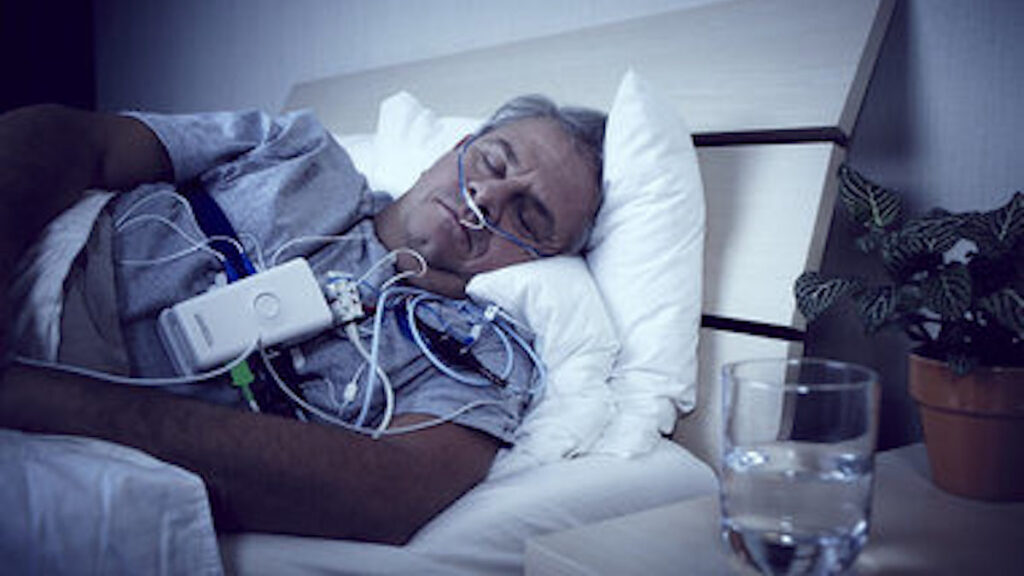
The home test setup process typically begins with receiving a compact device about the size of a smartphone, along with sensors that attach to your body. Most modern systems include:
- A finger probe to measure oxygen saturation levels
- Chest or abdominal belts to track breathing patterns and body movement
- Nasal cannulas or airflow sensors to detect breathing disruptions
- Heart rate monitoring sensors
Patients receive detailed instructions, often supplemented with video tutorials or phone support from trained technicians. The setup usually takes 10-15 minutes before bed, with most devices featuring color-coded connections and simple clip-on attachments that don’t require medical expertise to apply correctly.
The First Night of Testing
Your initial night wearing the device captures baseline data about your sleep patterns. You’ll be instructed to maintain your regular bedtime routine and sleep in your usual position. The device automatically begins recording once activated, eliminating the need for complex programming or technical knowledge.
Many patients report feeling self-conscious during their first night with the equipment, though the sensors are designed to be non-intrusive. Unlike in-lab studies where technicians monitor you throughout the night, home testing allows you to sleep in familiar surroundings without observation, which often results in more natural sleep patterns.
When Multi-Night Monitoring Becomes Necessary
Some cases require multi-night monitoring to ensure diagnostic accuracy. Sleep physicians may request additional nights of testing when:
- Initial data shows borderline results that need confirmation
- Technical issues affected the first recording (such as a sensor becoming dislodged)
- Your sleep patterns vary significantly between nights
- You experienced an unusually poor or atypical night’s sleep
Multi-night monitoring provides a more comprehensive picture of your sleep health, accounting for night-to-night variability that can affect diagnosis. Research shows that some patients exhibit different breathing patterns on different nights, making single-night studies potentially misleading for certain individuals.
How Is Data from At-Home Sleep Tests Interpreted and Used?
The raw data from your home sleep study goes through a thorough two-step evaluation process involving both technical analysis and medical interpretation. Skilled sleep technicians first score the recordings, followed by specialized sleep physicians who integrate this data with your complete clinical picture to reach an accurate diagnosis.
The Technical Foundation: Data Scoring Home Sleep Study
Sleep technicians trained in polysomnography analysis form the first critical layer of interpretation. These professionals manually review every recording, identifying and marking respiratory events, oxygen desaturation episodes, heart rate variations, and body position changes throughout the night. The scoring process requires expertise to distinguish between genuine sleep-disordered breathing events and technical artifacts that might appear in the data.
Technicians examine multiple data channels simultaneously:
- Respiratory flow patterns to identify apneas (complete breathing stoppages) and hypopneas (reduced airflow)
- Oxygen saturation trends to assess the severity of breathing disruptions
- Heart rate variability to detect autonomic nervous system responses to sleep events
- Body position data to determine if breathing problems occur in specific sleeping positions
- Movement patterns to estimate sleep time and detect periodic limb movements
The technician’s role extends beyond mechanical scoring. They assess data quality, identify technical issues that might affect accuracy, and flag recordings requiring additional physician attention. This human oversight remains essential even with automated scoring algorithms, as experienced technicians catch nuances that software might miss.
Medical Interpretation by Australian Sleep Physicians
Raw numbers and event counts tell only part of the story. The role of sleep physicians Australia encompasses translating technical data into meaningful clinical diagnoses by considering each patient’s unique circumstances. A sleep physician reviews the scored data alongside detailed information about your symptoms, medical history, medications, and demographic factors.
The physician evaluates several key questions:
Do the recorded events explain your symptoms? A patient experiencing severe daytime sleepiness with minimal recorded events might require further investigation, while another with moderate events but classic symptoms might receive a clear diagnosis.
How does your clinical history in diagnosis influence interpretation? Factors like age, gender, body mass index, neck circumference, and existing medical conditions all affect how physicians interpret the data. A 65-year-old male with hypertension and an apneic index of 15 may have different implications than a 30-year-old female with similar findings.
This collaborative approach between technicians and physicians ensures a comprehensive understanding of each case. By combining objective measurements from the home sleep test with subjective assessments from clinical interviews, healthcare providers can arrive at more accurate diagnoses and tailor treatment plans accordingly.
Additionally, it’s worth noting that these home sleep tests are not just limited to diagnosing sleep apnea. They can also provide valuable insights into other sleep disorders such as insomnia or restless leg syndrome.
What Are the Advantages and Limitations of At-Home Sleep Testing?
At-home sleep testing has several advantages over traditional in-lab sleep studies. It is more accessible, cost-effective, and convenient while still providing accurate diagnoses for suitable candidates. These tests eliminate the need for overnight stays in hospitals, reduce waiting times from months to weeks, and are significantly cheaper than standard polysomnography. Patients can sleep in their own beds without the discomfort of multiple wires and unfamiliar environments, which often leads to more representative sleep data.
Key Benefits of Home vs Lab Testing
1. Reduced Financial Burden
Home sleep studies typically cost 50-70% less than in-lab polysomnography, making sleep disorder diagnosis more accessible to a broader range of Australians. Medicare rebates further reduce out-of-pocket expenses for eligible patients referred by their GP. The cost-effectiveness of sleep studies conducted at home extends beyond the test itself—patients save on travel expenses, accommodation costs for regional Australians, and time away from work.
2. Faster Access to Diagnosis
Public hospital sleep laboratories often have waiting lists stretching 6-12 months, while home sleep testing services can typically arrange studies within 2-4 weeks. This rapid turnaround means patients with suspected obstructive sleep apnea receive treatment recommendations sooner, reducing the health risks associated with untreated sleep disorders. The efficiency gains translate to improved quality of life as patients address their sleep issues without lengthy delays.
3. Convenience and Comfort
Testing in familiar surroundings eliminates the “first-night effect” commonly experienced in sleep laboratories, where patients sleep poorly due to the clinical environment. Home testing allows patients to maintain their regular bedtime routines, sleep in their own bed, and avoid the logistical challenges of arranging overnight stays at medical facilities. This convenience particularly benefits shift workers, parents, and those with mobility limitations.
4. Comparable Data Quality
Modern home sleep testing devices capture comprehensive data on breathing patterns, oxygen saturation, heart rate, and body position. For patients without complex comorbidities, this data quality matches traditional methods in detecting obstructive sleep apnea. Studies show diagnostic accuracy rates exceeding 90% when home tests are properly conducted on appropriate candidates.
Understanding the Limitations of At-Home Diagnostics
1. Reduced Parameter Monitoring
Home devices don’t have the capability to monitor certain parameters that may be relevant for specific cases or conditions. For example:
- Electroencephalogram (EEG) monitoring: In-lab polysomnography includes EEG channels to assess brain activity during sleep stages. This information can be crucial for diagnosing complex sleep disorders such as narcolepsy or parasomnias.
- Video recording: Some sleep disorders involve unusual behaviors during sleep that can only be captured through video recordings. Home tests may not provide this additional context necessary for an accurate diagnosis.
2. Limited Evaluation of Comorbidities
Certain medical conditions or factors can influence the presentation or severity of obstructive sleep apnea (OSA). In-lab assessments allow healthcare providers to consider these comorbidities comprehensively through direct observation and interaction with patients:
- Body habitus assessment: Healthcare professionals can evaluate obesity or other anatomical features that contribute to OSA severity.
- Cardiac evaluation: Conditions like atrial fibrillation or congestive heart failure may coexist with OSA and require integrated management approaches.
3. Potential for Misinterpretation
While home tests offer convenience, there’s a risk of misinterpretation if they are not conducted or analyzed correctly:
- User error: Patients must adhere strictly to device instructions during setup and usage; otherwise, it could lead to inaccurate results.
- Interpretation bias: Scoring algorithms used in home devices might have limitations compared to expert scoring done by trained technologists.
It’s essential for clinicians involved in interpreting these tests’ results—whether remotely via telehealth platforms or directly—to possess knowledge about potential pitfalls associated with at-home diagnostics.
In summary,
At-home sleep testing has its advantages such as accessibility and cost-effectiveness but also limitations regarding parameter monitoring capabilities and potential misinterpretations due to user errors or algorithmic biases.
Understanding both sides will help you make informed decisions about whether an at-home test is suitable based on your specific needs while considering factors like complexity of condition being evaluated etc,.
How Can Patients Access At-Home Sleep Testing Services?
Accessing at-home sleep testing begins with your general practitioner, who serves as the gateway to these diagnostic services. Your GP evaluates your symptoms, medical history, and risk factors to determine whether home sleep testing is appropriate for your situation.
Healthcare providers play a crucial role in connecting patients with accredited sleep testing services. They assess whether you meet the criteria for home-based testing or require the more comprehensive monitoring available in a sleep laboratory. This initial evaluation ensures you receive the most suitable diagnostic approach for your individual circumstances.
The GP Referral Process Explained
The GP referral process for at-home sleep testing follows a straightforward pathway:
- Initial Consultation: Schedule an appointment with your GP to discuss sleep-related concerns such as loud snoring, daytime fatigue, witnessed breathing pauses, or morning headaches.
- Medical Assessment: Your doctor reviews your medical history, current medications, and any existing health conditions that might affect test suitability.
- Referral Generation: If deemed appropriate, your GP provides a referral to an accredited sleep testing service, which is necessary for Medicare coverage.
- Service Selection: Your healthcare provider may recommend specific sleep testing services or allow you to choose from approved providers in your area.
- Equipment Collection: Contact the referred sleep testing service to arrange equipment pickup or delivery to your home.
What to Expect After Referral
Once your GP issues a referral, the sleep testing service typically contacts you within a few business days. They explain how to use the monitoring equipment and schedule your testing nights. Most services provide clear instructions through video tutorials or written guides, making the setup process manageable even for those unfamiliar with medical devices.
The testing service coordinates with your GP to ensure results are communicated promptly. After completing your home sleep study, the data undergoes analysis by qualified sleep technicians and interpretation by specialized sleep physicians. Your GP receives a comprehensive report detailing findings and recommended treatment options.
Choosing the Right Provider
When accessing at-home sleep testing, consider providers that offer:
- Accreditation with relevant Australian health standards
- Technical support available during testing periods
- Clear communication about the process and timeline
- Integration of results into ongoing healthcare management
By actively involving healthcare professionals and selecting reputable providers, patients can effectively navigate the process of accessing at-home sleep testing services. This collaborative approach maximizes the chances of accurate diagnosis and appropriate treatment for sleep disorders.
More to Read : How a Sleep Study Can Transform Your Health: What Australians Need to Know