

What Are Sleep Studies and How Do They Work?
A sleep study is a diagnostic test that monitors your body’s activity during sleep to identify potential sleep disorders. These tests capture detailed data about your breathing, heart rate, brain waves, and physical movements throughout the night, providing physicians with crucial information to diagnose conditions that may be affecting your health.
Sleep studies are considered the most reliable way to detect disorders like obstructive sleep apnoea, which affects thousands of Australians and can lead to serious health problems such as heart disease and diabetes.
Home-Based vs Attended Sleep Studies: Understanding Your Options
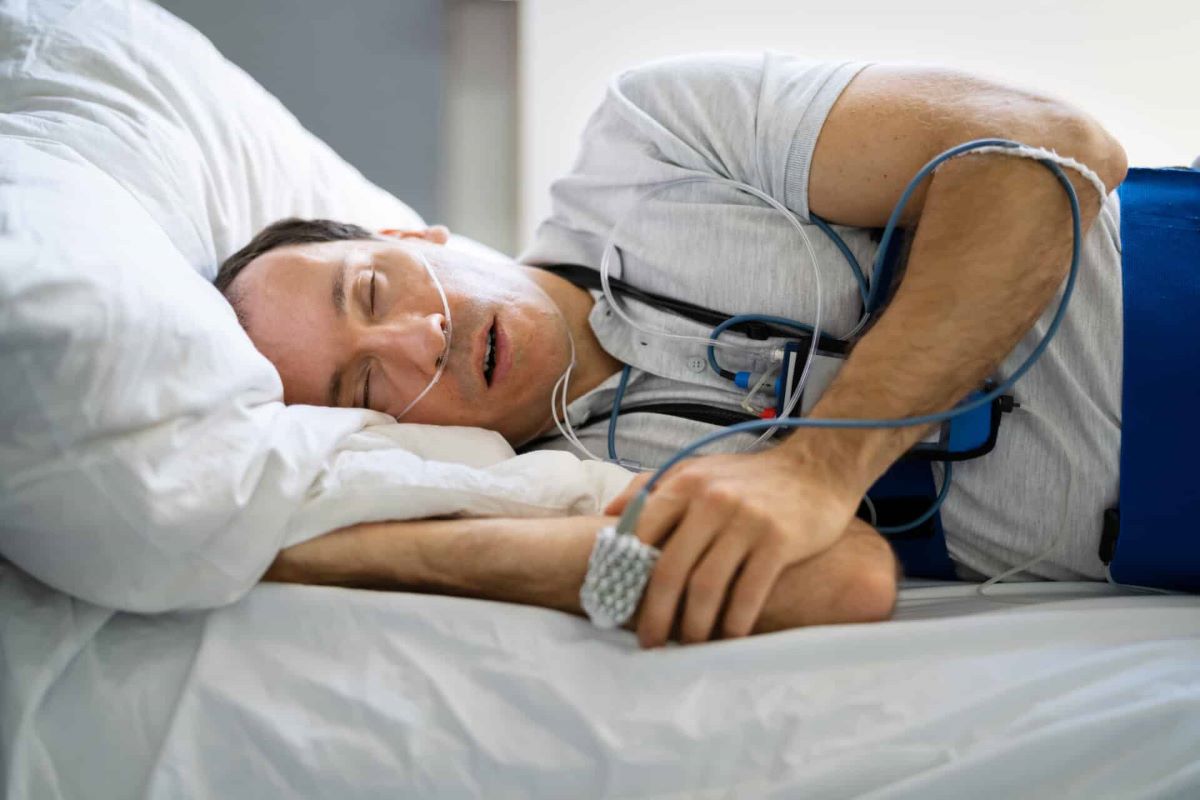
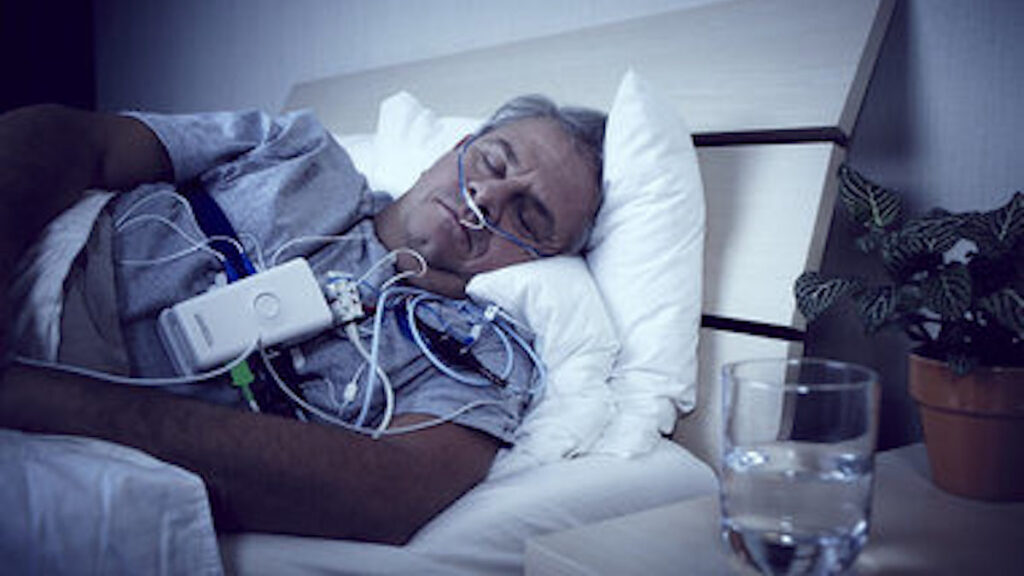
Home-based sleep studies allow you to complete the test in your own bed using portable monitoring equipment. If you’re considering a sleep study Australia, this option enables you to receive a device that you wear overnight, which records essential data while you sleep in familiar surroundings. This approach offers convenience and comfort, making it easier for many Australians to access diagnostic testing without disrupting their routine.
Attended sleep studies take place in specialized sleep centers where trained technicians monitor you throughout the night. For those requiring a more detailed sleep study Australia, these attended assessments provide comprehensive data collection and immediate technical support if equipment issues arise. The controlled environment ensures optimal data quality, though it requires sleeping away from home.
The choice between home-based and attended studies often depends on the complexity of suspected sleep disorders and Medicare coverage requirements.
What Parameters Do Sleep Studies Monitor?
Sleep studies track multiple physiological markers simultaneously to build a complete picture of your sleep health:
- Breathing patterns – detecting pauses, shallow breathing, or irregular respiratory rhythms
- Blood oxygen levels – measuring drops in oxygen saturation that indicate breathing disruptions
- Heart rate and rhythm – identifying cardiovascular changes during sleep
- Body movement – recording limb movements, position changes, and restlessness
- Sleep stages – determining time spent in different sleep phases (in comprehensive studies)
- Snoring intensity – documenting airway obstruction indicators
The devices used in home-based sleep studies typically include nasal airflow sensors, chest and abdomen bands to measure breathing effort, pulse oximeters for oxygen levels, and position sensors. This equipment connects to a small recording unit that stores data for physician analysis.
Attended studies incorporate additional monitoring through electroencephalography (EEG) for brain activity, electrooculography (EOG) for eye movements
Why Are Sleep Disorders a Major Concern for Australians?
How widespread are sleep disorders in Australia?
Sleep disorders affect a substantial portion of the Australian population, with obstructive sleep apnoea Australia rates reaching epidemic proportions. Current estimates suggest that approximately 1 in 4 Australian adults experience some form of sleep-disordered breathing, with OSA being the most prevalent condition.
The common Australian sleep problems extend beyond OSA to include insomnia, restless legs syndrome, and circadian rhythm disorders. Men face higher risks of developing OSA, particularly those over 40, though post-menopausal women also show increased susceptibility. Indigenous Australians experience disproportionately higher rates of sleep disorders compared to the general population.
What makes these conditions particularly dangerous?
The health risks sleep disorders pose go far beyond daytime tiredness. Untreated obstructive sleep apnoea creates a cascade of physiological stress that impacts nearly every body system:
Cardiovascular Complications
- High blood pressure develops in up to 50% of people with untreated OSA
- Heart attack risk increases by 30% compared to those without sleep disorders
- Stroke likelihood doubles in moderate to severe cases
- Atrial fibrillation occurs three times more frequently in OSA patients
Metabolic and Mental Health Impacts
The repeated oxygen deprivation and sleep fragmentation characteristic of OSA disrupts metabolic processes. Diabetes risk escalates as insulin resistance develops, with OSA patients showing 2.5 times higher rates of type 2 diabetes. The condition also triggers inflammatory responses throughout the body, accelerating disease progression.
Depression and anxiety disorders frequently co-exist with sleep disorders, creating a bidirectional relationship where each condition worsens the other. The chronic sleep deprivation impairs cognitive function, affecting memory, concentration, and decision-making abilities. Some research links untreated OSA to increased dementia risk in later life.
Public Safety Concerns
Australians with untreated sleep disorders face seven times the normal car accident risk due to excessive daytime sleepiness and impaired reaction times. This translates to thousands of preventable accidents annually on Australian roads
How Can a Sleep Study Lead to Early Diagnosis and Treatment?
Sleep studies are essential for sleep physicians to diagnose disorders and recommend specific treatments. After collecting your study data—either from a home device or an attended facility—a certified sleep physician reviews the results to determine if you have a sleep disorder, its type, and its severity. This expert analysis turns raw data into practical recommendations that sleep physicians can implement right away.
The Physician Review Process
Sleep physicians look at various factors from your study, such as:
- Breathing interruptions
- Oxygen desaturation events
- Heart rate variations
- Movement patterns
They calculate your Apnoea-Hypopnoea Index (AHI), which measures the number of breathing pauses per hour. An AHI of 5-15 indicates mild sleep apnoea, 15-30 represents moderate severity, and above 30 signals severe obstructive sleep apnoea needing immediate attention. This systematic evaluation ensures early diagnosis of sleep disorders before they worsen.
Treatment Pathways Following Diagnosis
The treatment after a sleep study depends on your specific condition and its severity:
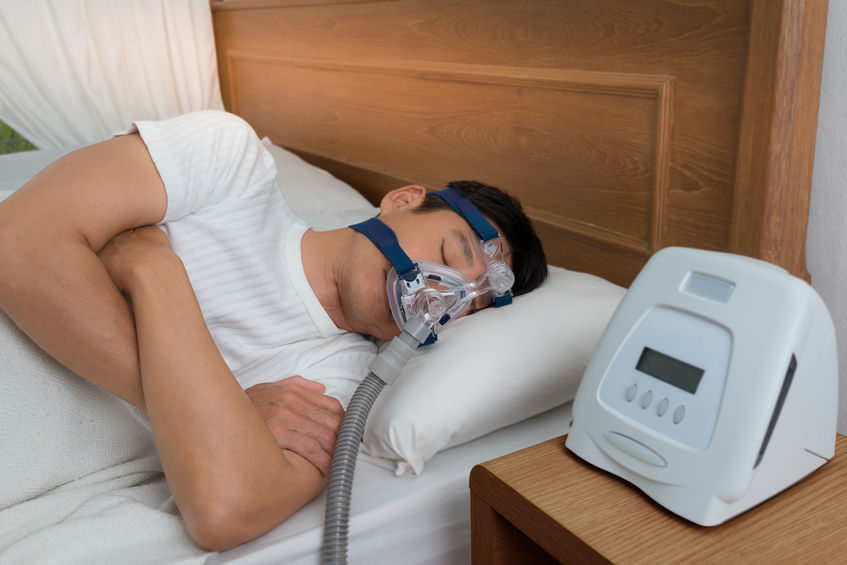
- Immediate interventions for moderate to severe OSA often include CPAP (Continuous Positive Airway Pressure) therapy, which keeps airways open during sleep
- Lifestyle modifications such as weight loss, sleep position changes, or alcohol reduction for mild cases
- Specialist referrals to ear, nose, and throat surgeons for anatomical issues or dentists for oral appliance therapy
- Medication adjustments if current prescriptions contribute to sleep disturbances
Some patients start treatment within days of their study, especially when severe apnoea poses immediate health risks. Others receive a gradual approach combining multiple therapies for better outcomes.
Why Timing Matters in Sleep Disorder Treatment
Delaying treatment allows sleep disorders to worsen existing health problems. Untreated sleep apnoea leads to nightly oxygen drops that put stress on your cardiovascular system, increasing inflammation and blood pressure. Each month without treatment raises your risk of developing atrial fibrillation, experiencing a stroke, or having a car accident due to daytime fatigue.
Early intervention through sleep studies breaks this cycle. Research shows that treating OSA within the first year of symptom onset significantly reduces these risks.
What Types of Sleep Studies Are Available and Which Ones Does Medicare Cover?
Medicare in Australia recognizes four distinct levels of sleep studies, but only provides coverage for the two most comprehensive types. Understanding which Medicare-covered sleep studies Australia offers can significantly reduce out-of-pocket costs while ensuring accurate diagnosis.
1. Level 1: Attended Polysomnography
Level 1 studies represent the gold standard in sleep diagnostics, often referred to as polysomnography. These tests take place in dedicated sleep centers or hospital facilities where trained technicians monitor patients throughout the night. The comprehensive monitoring includes:
- Brain wave activity (EEG)
- Eye movements
- Muscle tone
- Heart rhythm
- Breathing patterns
- Oxygen saturation levels
- Leg movements
- Body position
A technician remains present to adjust equipment, observe sleep behaviors, and ensure data quality. Medicare provides full coverage for Level 1 studies when ordered by a qualified physician, making this thorough diagnostic option accessible to Australians who need it.
2. Level 2: Home-Based Comprehensive Testing
Level 2 studies deliver hospital-grade monitoring in the comfort of your own bedroom. These portable systems track the same parameters as Level 1 tests but without direct supervision. Patients receive detailed instructions for applying sensors and operating the equipment independently.
The home vs attended sleep studies Medicare debate often centers on convenience versus supervision. Level 2 tests eliminate travel requirements and allow patients to sleep in familiar surroundings, which can produce more natural sleep patterns. Medicare covers these comprehensive home-based studies, recognizing their clinical validity and cost-effectiveness.
3. Level 3 and Level 4: Limited Coverage Options
Level 3 studies monitor fewer parameters, typically focusing on breathing, oxygen levels, and heart rate without measuring brain activity or sleep stages. Level 4 tests are the most basic, often tracking only one or two parameters like oxygen saturation and pulse rate.
Medicare generally excludes these simpler tests from coverage. The limited data collection may miss important diagnostic information, potentially requiring repeat testing with more comprehensive methods. While Level 3 and 4 devices cost less upfront, patients bear the full expense without Medicare support.
The Financial Impact of Medicare Support
Medicare subsidies for Level 1 and Level 2 sleep tests transform accessibility across Australia. Without coverage, comprehensive sleep studies can
How Is Sleep Quality Measured During These Studies?
The Role of the Arousal Index
Sleep quality measurement relies on objective data collected throughout the night, with the Arousal Index serving as a primary indicator of sleep disruption. This metric counts how many times you wake or nearly wake per hour, with higher numbers signaling more severe sleep fragmentation. An Arousal Index above 15 events per hour typically indicates significant sleep disturbance requiring urgent intervention.
The arousal index meaning extends beyond simple wake counts—it reveals how effectively your body maintains restorative sleep stages. Each arousal, even if you don’t consciously remember it, prevents you from reaching deep sleep phases essential for physical recovery and cognitive function. Sleep physicians analyze this data alongside oxygen saturation levels and breathing patterns to determine disorder severity and treatment urgency.
Screening Tools That Qualify Patients for Medicare-Covered Testing
Before undergoing a sleep study, Australians complete validated screening questionnaires that help determine Medicare eligibility. The Epworth Sleepiness Scale Australia asks eight questions about your likelihood of dozing during everyday activities like reading, watching television, or sitting in traffic. Scores range from 0 to 24, with results above 10 suggesting excessive daytime sleepiness warranting further investigation.
The STOP-BANG questionnaire use provides another assessment layer through eight yes/no questions covering:
- Snoring loudness
- Tiredness during the day
- Observed breathing pauses
- Pressure (high blood pressure)
- Body mass index over 35
- Age over 50
- Neck circumference over 40cm
- Gender (male)
Answering yes to three or more questions indicates moderate to high risk for obstructive sleep apnoea. These screening tools don’t diagnose conditions but identify candidates who would benefit from comprehensive testing under Medicare guidelines.
Additional Parameters Tracked During Studies
Sleep studies simultaneously monitor multiple physiological markers beyond arousal frequency. Oxygen desaturation events reveal how often blood oxygen drops below healthy levels, while leg movement sensors detect restless legs syndrome or periodic limb movements. Heart rate variability and body position data help physicians understand whether sleep disturbances occur in specific sleeping
What Other Sleep Disorders Can Be Diagnosed Beyond OSA?
Sleep studies identify numerous conditions beyond obstructive sleep apnoea, providing comprehensive insights into various sleep-related health issues. While OSA represents the most common diagnosis, modern sleep testing equipment captures data that reveals a spectrum of disorders affecting Australians’ sleep quality and overall wellbeing.
Central Sleep Apnea Diagnosis
Central sleep apnea diagnosis Australia focuses on breathing disruptions caused by the brain’s failure to signal respiratory muscles, rather than physical airway obstruction. This neurological condition differs fundamentally from OSA and requires distinct treatment approaches. Sleep physicians analyze breathing patterns throughout the night to distinguish between obstructive and central events, ensuring patients receive appropriate interventions.
Restless Legs Syndrome Detection
Restless legs syndrome detection occurs when sleep studies record involuntary leg movements during rest periods. The uncomfortable sensations compelling people to move their legs can severely fragment sleep architecture. Monitoring devices track periodic limb movements per hour, helping clinicians quantify severity and recommend targeted therapies ranging from lifestyle modifications to specific medications.
Movement and Neurological Sleep Disorders
Narcolepsy bruxism insomnia parasomnias represent distinct categories captured during comprehensive sleep assessments:
- Narcolepsy: manifests through excessive daytime sleepiness and rapid entry into REM sleep, detected through specialized testing protocols that measure sleep onset latency
- Bruxism: (teeth grinding) appears in jaw muscle activity recordings, often correlating with stress levels and requiring dental intervention alongside sleep treatment
- Insomnia: patterns emerge from sleep efficiency calculations, showing prolonged time to fall asleep or frequent nighttime awakenings unrelated to breathing issues
Recognizing Parasomnias Through Sleep Studies
Parasomnias encompass unusual behaviors during sleep that many Australians experience without realizing their clinical significance. Night terrors typically occur during deep sleep stages, with monitoring equipment capturing sudden arousals accompanied by increased heart rate and movement. Sleepwalking episodes register as complex motor activities during non-REM sleep phases.
Sleep studies document these events objectively, distinguishing them from seizure activity or other neurological conditions. Video monitoring available in attended studies provides additional diagnostic value, capturing behaviors that patients cannot recall upon waking.
The comprehensive nature of sleep diagnostics ensures conditions don’t remain hidden
How Do Australasian Clinical Guidelines Support Effective Diagnosis and Treatment?
Do clinical guidelines actually improve sleep disorder care in Australia? The Australasian Sleep Association’s consensus statements establish evidence-based standards that directly shape how physicians diagnose and treat sleep conditions nationwide. These guidelines ensure consistent, high-quality care regardless of where Australians seek help for their sleep problems.
The Association’s framework addresses every stage of the diagnostic journey. Physicians follow structured protocols for patient assessment, determining which sleep study type suits individual circumstances, and interpreting results against validated criteria. This standardized approach means patients receive accurate diagnoses based on current medical evidence rather than outdated practices.
Setting Standards for Cardiovascular Protection
Why do these guidelines emphasize heart health so strongly? Untreated sleep disorders, particularly obstructive sleep apnoea, significantly increase risks of heart attack, stroke, and atrial fibrillation. The Australasian Sleep Association guidelines prioritize cardiovascular outcomes because treating sleep apnoea demonstrably reduces these life-threatening risks.
The best practices diagnosing sleep disorders Australia relies on include specific recommendations for:
- Risk stratification protocols that identify patients with existing cardiovascular conditions requiring urgent assessment
- Treatment thresholds based on apnoea severity and cardiovascular risk factors
- Follow-up monitoring to ensure therapies effectively reduce cardiovascular strain
- Coordination with cardiologists for patients with complex cardiac histories
Evidence-Based Treatment Pathways
How do guidelines translate research into practical care? The Australasian Sleep Association regularly reviews international studies and local data to update treatment recommendations. When research demonstrates that CPAP therapy reduces blood pressure or that treating sleep apnoea improves diabetes management, these findings become incorporated into clinical protocols.
Physicians using these guidelines can confidently recommend treatments knowing they’re supported by robust evidence. Patients benefit from therapies proven to work rather than experimental approaches with uncertain outcomes.
Quality Assurance Across Australia
What ensures consistent care quality nationwide? The guidelines establish minimum competency standards for sleep physicians and technicians conducting studies. Accreditation programs verify that sleep centers meet equipment, staffing, and reporting requirements. This quality framework means Australians in regional areas access the same diagnostic accuracy as those in major cities.
Moreover, the comprehensive nature of these guidelines extends beyond just sleep disorders. For instance, they also cover areas such as the diagnosis and treatment of related conditions like pulmonary hypertension, ensuring a holistic approach to patient care across various health issues.
What Health Transformations Can Australians Expect After Undergoing a Sleep Study?
Undergoing a sleep study opens the door to significant health improvements across multiple areas of wellbeing. Once diagnosed and treated, Australians typically experience measurable reductions in cardiovascular risks, better mental health, and enhanced daily functioning that transforms their quality of life.
Cardiovascular Health Takes Centre Stage
The health benefits treating OSA Australia delivers are particularly striking for heart health. Treatment following a sleep study diagnosis can reduce blood pressure, lower the risk of heart attacks and strokes, and decrease the likelihood of developing atrial fibrillation. Patients who begin CPAP therapy or other recommended treatments often see improvements in their cardiovascular markers within weeks of starting treatment.
The reduction in oxygen desaturation events during sleep allows the heart to function more efficiently. This means less strain on the cardiovascular system night after night, year after year.
Daily Life Becomes More Manageable
Improved quality of life after sleep study diagnosis and treatment manifests in practical, everyday ways:
- Energy levels surge as restorative sleep replaces fragmented rest
- Concentration and memory sharpen, making work tasks easier to complete
- Mood stabilizes, with many patients reporting reduced irritability and anxiety
- Daytime sleepiness diminishes, eliminating the dangerous drowsiness that affects driving and workplace safety
Australians who previously struggled through their days fighting exhaustion often describe the change as life-altering. Simple activities like staying awake during meetings or enjoying evening social events become effortless again.
Mental Health Benefits Emerge
The connection between sleep disorders and mental health runs deep. Treating conditions identified through sleep studies frequently leads to improvements in depression and anxiety symptoms. The brain requires quality sleep to regulate mood-related neurotransmitters, and restoring healthy sleep patterns allows these systems to rebalance naturally.
Patients report feeling more emotionally resilient and better equipped to handle daily stressors. The cognitive fog that accompanies untreated sleep disorders lifts, revealing clearer thinking and improved decision-making abilities.
Risk Reduction Creates Long-Term Protection
Beyond immediate symptom relief, treatment following a sleep study provides protection against serious future health complications. The risk of developing type 2 diabetes decreases significantly when obstructive sleep apnea is effectively managed. Additionally, maintaining stable blood sugar levels contributes to overall metabolic health—a crucial factor in preventing cardiovascular diseases.
By addressing underlying sleep issues through targeted therapies, individuals can create a foundation for lifelong wellness. This proactive approach not only mitigates existing risks but also empowers Australians with the knowledge and tools necessary to sustain healthy habits over time.
