Choosing laser eye surgery is not just about wanting clearer vision—it’s about selecting the right procedure for your eyes, lifestyle, and long-term eye health. With multiple options available today, most people ask the same question during their research:
Should I choose LASIK, SMILE, or PRK?
Each procedure is safe, effective, and widely performed in Australia, but they are not interchangeable. The best option depends on your corneal thickness, prescription, dry eye risk, occupation, and personal expectations.
This in-depth guide explains the real differences between LASIK, SMILE, and PRK, how each works, who they are best suited for, costs in Australia, recovery timelines, and expert advice to help you make a confident, informed decision.
Quick Answer: Which Laser Eye Surgery Is Best?
There is no single “best” laser eye surgery for everyone.
- LASIK is ideal for fast recovery and convenience
- SMILE suits people concerned about dry eyes and corneal strength
- PRK is best for thin corneas or high-impact lifestyles
A qualified ophthalmologist will recommend the safest option based on your individual eye anatomy—not trends or marketing.
What Is Laser Eye Surgery and How Does It Work?
Laser eye surgery corrects vision by reshaping the cornea, the clear front surface of the eye that bends light. When the cornea is irregularly shaped, light doesn’t focus properly on the retina, causing blurry vision.
Laser procedures precisely remove microscopic layers of corneal tissue to correct:
- Myopia (short-sightedness)
- Hyperopia (long-sightedness)
- Astigmatism
Modern lasers use computer-guided mapping and eye tracking, allowing treatments customised to each eye with remarkable accuracy.
Understanding the Three Main Types of Laser Eye Surgery
LASIK (Laser-Assisted In Situ Keratomileusis)
LASIK is the most commonly performed laser eye surgery worldwide.
How LASIK works:
- A thin corneal flap is created
- The laser reshapes the underlying cornea
- The flap is repositioned and heals naturally
Best for:
- Mild to moderate prescriptions
- Patients wanting quick visual recovery
- People with adequate corneal thickness
Pros:
- Minimal discomfort
- Vision improves within 24–48 hours
- Rapid return to work and driving
Considerations:
- Involves a corneal flap
- Temporary dry eyes are common
- Not ideal for very thin corneas
PRK (Photorefractive Keratectomy)
PRK is the original laser eye surgery and remains highly relevant today.
How PRK works:
- The surface layer of the cornea is gently removed
- The laser reshapes the cornea
- The surface layer regenerates over several days
Best for:
- Thin corneas
- Contact sports athletes
- Defence, police, or physically demanding jobs
Pros:
- No corneal flap
- Lower risk of flap-related trauma
- Excellent long-term stability
Considerations:
- Slower recovery than LASIK
- More discomfort in the first few days
- Vision takes longer to stabilise
SMILE (Small Incision Lenticule Extraction)
SMILE is a newer, minimally invasive laser procedure.
How SMILE works:
- The laser creates a small disc (lenticule) inside the cornea
- The surgeon removes it through a tiny incision
Best for:
- Short-sightedness and astigmatism
- Patients prone to dry eyes
- Those wanting stronger corneal integrity
Pros:
- No corneal flap
- Smaller incision
- Reduced disruption to corneal nerves
Considerations:
- Limited suitability for long-sightedness
- Slightly slower visual recovery than LASIK
- Availability varies by clinic
LASIK vs SMILE vs PRK: Side-by-Side Comparison
| Feature | LASIK | SMILE | PRK |
|---|---|---|---|
| Corneal flap | Yes | No | No |
| Recovery speed | Fastest | Fast | Slowest |
| Dry eye risk | Moderate | Lower | Lower |
| Pain level | Minimal | Minimal | Moderate (early) |
| Thin corneas | Limited | Sometimes | Ideal |
| Long-term stability | Excellent | Excellent | Excellent |
Who Is Eligible for Each Procedure?
Eligibility is determined during a comprehensive eye assessment.
You May Be Suitable If:
- You are over 18
- Vision has been stable for 12 months
- Eyes are healthy
- No significant corneal disease
Who Should Avoid or Delay Laser Eye Surgery
Laser eye surgery may not be suitable if you have:
- Keratoconus
- Severe dry eye disease
- Advanced glaucoma
- Uncontrolled diabetes
- Autoimmune disorders affecting healing
Proper screening is the most important safety factor.
Safety, Risks, and Success Rates
Overall Safety
All three procedures are considered very safe when performed by experienced surgeons using modern technology.
Success Rates
- Over 95% of patients achieve driving-standard vision or better
- Patient satisfaction exceeds 90%
- Enhancement rates are low (2–5%)
Common Temporary Side Effects
- Dry eyes
- Glare or halos at night
- Light sensitivity
- Mild visual fluctuations
Serious complications are rare.
Step-by-Step: What to Expect During Surgery
Before Surgery
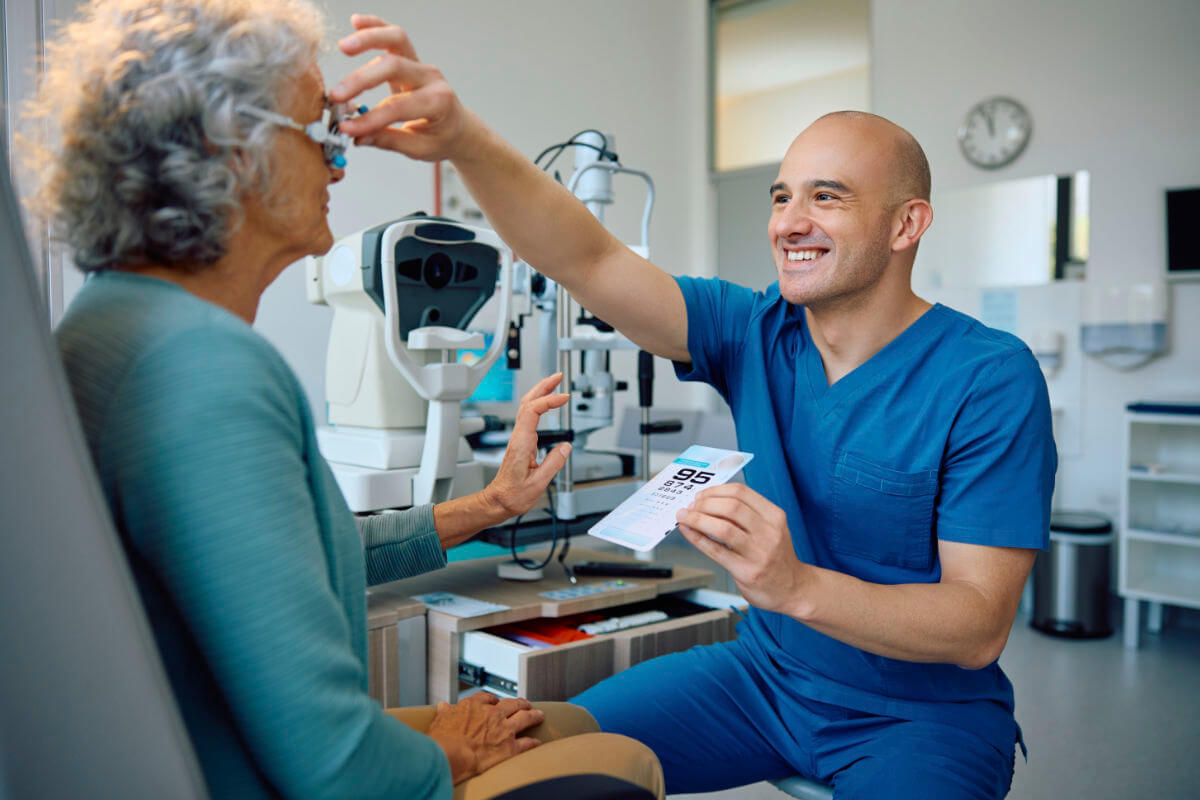
- Detailed eye scans
- Corneal thickness measurements
- Tear film assessment
- Procedure recommendation
During Surgery
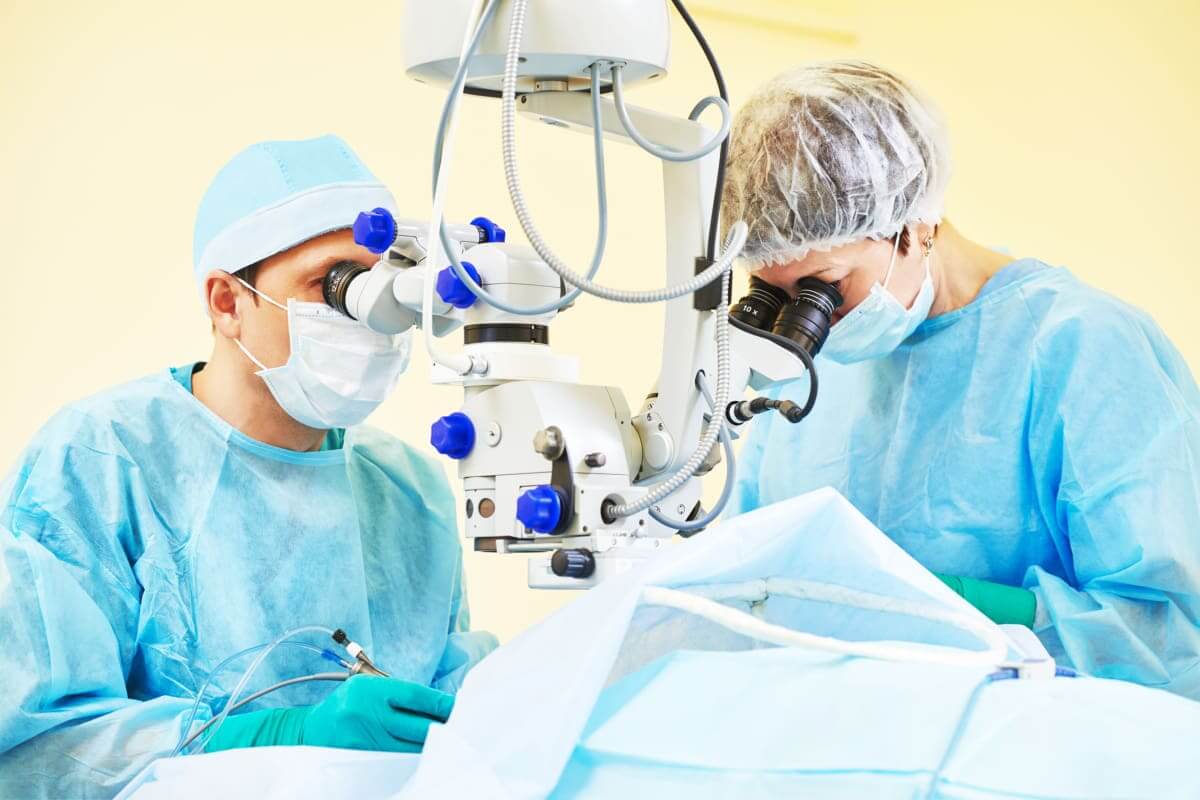
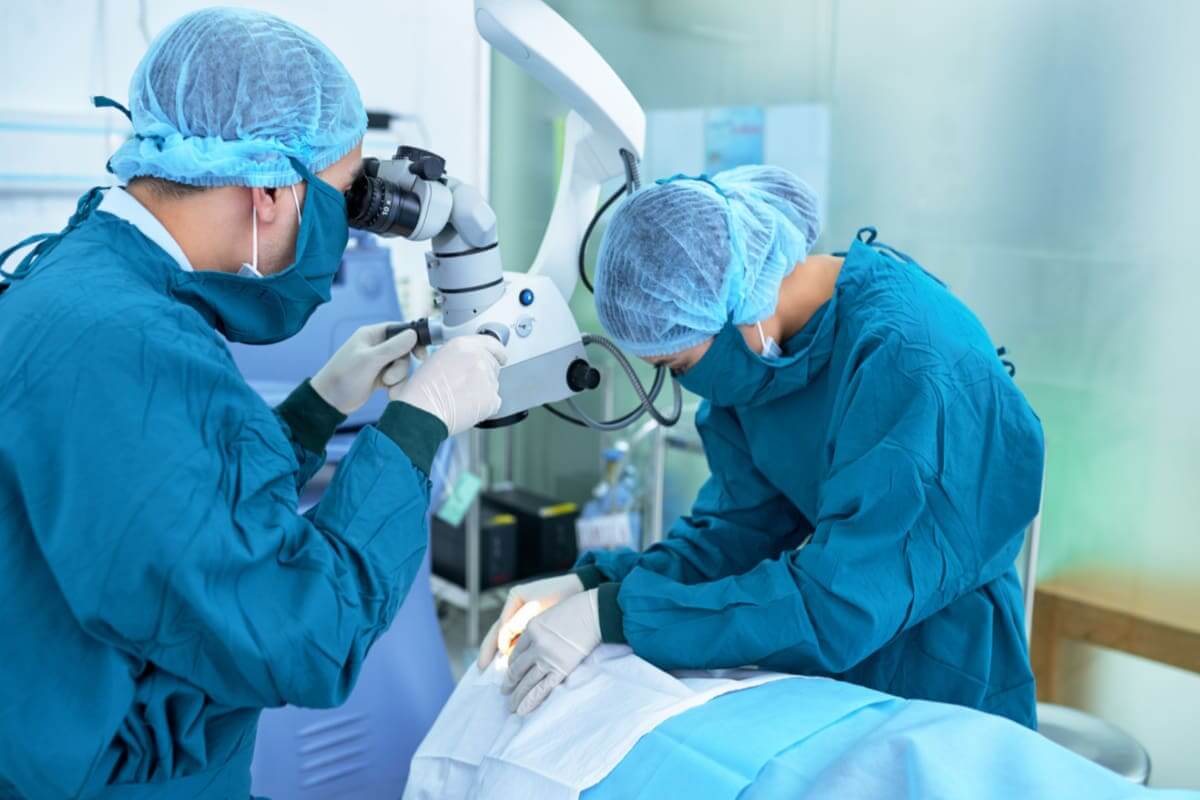
- 10–15 minutes per eye
- Numbing drops used
- Laser time measured in seconds
After Surgery
- Same-day discharge
- Protective eye shields
- Follow-up appointments scheduled
Recovery Timeline and Aftercare
LASIK
- Vision improves in 24–48 hours
- Return to work: 1–3 days
SMILE
- Vision improves over a few days
- Return to work: 2–4 days
PRK
- Discomfort for 3–5 days
- Vision improves over weeks
- Full recovery may take several months
All procedures require prescribed eye drops and avoidance of eye rubbing.
Cost of Laser Eye Surgery in Australia
| Procedure | Average Cost per Eye (AUD) |
|---|---|
| LASIK | $2,500 – $3,500 |
| PRK | $2,200 – $3,200 |
| SMILE | $3,000 – $4,000 |
What’s Included
- Pre-operative assessments
- Surgeon and laser fees
- Post-operative care
- Enhancements (often included within a time frame)
Medicare does not cover laser eye surgery, though private health rebates may apply in limited cases.
Benefits vs Limitations
Benefits
- Reduced dependence on glasses or contacts
- Long-term cost savings
- Lifestyle convenience
- Proven safety record
Limitations
- Not reversible
- Age-related vision changes still occur
- Temporary side effects possible
- Requires realistic expectations
Expert Tips from Eye Surgeons
- The “best” procedure is the safest for your eyes
- Cheap surgery often means limited screening
- Follow-up care is essential
- A good surgeon prioritises suitability over sales
Final Verdict: Which Laser Eye Surgery Is Right for You?
LASIK, SMILE, and PRK all offer excellent outcomes when chosen appropriately. The safest and most effective option depends on your eye anatomy, lifestyle, and long-term vision goals.
A personalised consultation with a qualified ophthalmologist is essential before deciding.
Frequently Asked Questions (FAQs)
Is LASIK better than SMILE?
Not necessarily. LASIK offers faster recovery, while SMILE may reduce dry eye risk.
Why would someone choose PRK instead of LASIK?
PRK is safer for thin corneas and high-impact lifestyles.
Can all prescriptions be treated with SMILE?
No. SMILE is mainly used for myopia and astigmatism.
Is PRK more painful?
Early recovery discomfort is higher, but long-term outcomes are excellent.
Will I need glasses again later in life?
Possibly, due to natural age-related vision changes (presbyopia).