
Am I a Candidate for LASIK? 7 Factors for Your Eligibility
Am I a Candidate for LASIK? 7 Factors That Determine Your Eligibility
Waking up with clear vision—without reaching for glasses or fumbling for contact lenses—is a dream for millions of Australians. Laser-Assisted In Situ Keratomileusis, commonly known as LASIK, has become the gold standard for correcting refractive errors like myopia, hyperopia, and astigmatism.
However, despite its high success rate, it is not a “one size fits all” procedure. Determining Am I a candidate for LASIK? requires a deep dive into your ocular anatomy, medical history, and lifestyle. In this guide, we break down the seven primary factors that surgeons in Australia use to determine your eligibility.
See more: LASIK vs SMILE vs PRK: Which Laser Eye Surgery Is Right for Your Vis
Understanding LASIK: How the Procedure Works
Before assessing your candidacy, it is essential to understand what the laser actually does. LASIK is a surgical procedure that uses a cool, ultraviolet light beam (excimer laser) to precisely reshape the cornea—the clear front part of the eye.
By altering the shape of the cornea, light entering the eye is properly focused onto the retina, resulting in crisp, clear vision. For the procedure to be safe and effective, your eye must meet specific structural requirements to ensure long-term stability.
7 Critical Factors for LASIK Eligibility
1. Corneal Thickness and Structure
The cornea is the “canvas” for LASIK surgery. During the procedure, a thin flap is created, and tissue is removed from the underlying stroma.
- Why it matters: If your cornea is naturally too thin or irregular, removing tissue could compromise the structural integrity of your eye, leading to a condition called corneal ectasia.
- The Australian Standard: Most surgeons look for a minimum thickness (typically around 500 microns) to ensure enough residual tissue remains after the laser treatment.
2. Stability of Your Vision Prescription
Your vision must be “stable” for at least 12 to 24 months before undergoing surgery.
- The Age Factor: This is why LASIK is generally not performed on patients under 18 (and often preferred for those 21+).
- The Risk: If your prescription is still changing, the laser correction will effectively be “outdated” within a year, leading to blurred vision despite a successful surgery.
3. The Nature of Your Refractive Error
While LASIK can treat a wide range of issues, there are limits to the “dioptre” levels it can safely correct.
| Condition | Typical Limit for LASIK |
| Myopia (Short-sightedness) | Up to -10.00 to -12.00 dioptres |
| Hyperopia (Long-sightedness) | Up to +4.00 to +6.00 dioptres |
| Astigmatism | Up to 6.00 dioptres |
Note: If your prescription falls outside these ranges, your surgeon may recommend alternative procedures like PRK or Implantable Collamer Lenses (ICL).
4. Overall Eye Health and Pre-existing Conditions
A candidate’s eyes must be free of diseases that interfere with healing. Key contraindications include:
- Keratoconus: A condition where the cornea bulges into a cone shape.
- Glaucoma: High eye pressure can complicate the flap-creation process.
- Cataracts: If a cataract is forming, a lens replacement surgery is often more effective than LASIK.
- Severe Dry Eye: LASIK can temporarily increase dryness; therefore, chronic dry eye must be managed before surgery.
5. General Health and Immune Response
Your body’s ability to heal plays a massive role in LASIK success. Autoimmune diseases (such as Rheumatoid Arthritis or Lupus) or conditions like uncontrolled diabetes can impair the healing process of the corneal flap.
6. Pupil Size in Low Light
Surgeons measure your pupil size in dark conditions. If your pupils dilate excessively (usually beyond 7mm or 8mm), you may be at a higher risk of experiencing “halos” or “glare” around lights at night following the procedure.
7. Pregnancy and Nursing
Hormonal changes during pregnancy and breastfeeding can cause temporary fluctuations in your vision and corneal shape. Australian clinics typically advise waiting at least 3 to 6 months after you have stopped nursing before undergoing an eligibility assessment.
The Benefits of Being a Strong LASIK Candidate
When you meet the 7 factors listed above, the outcomes are overwhelmingly positive.
- Visual Freedom: Over 95% of patients achieve 20/25 vision or better.
- Long-term Savings: While the upfront cost of LASIK in Australia is significant, it eliminates the recurring costs of designer frames, high-index lenses, and contact lens solutions over a lifetime.
- Lifestyle Enhancement: Ideal for active Australians who enjoy surfing, swimming, or contact sports without the hindrance of eyewear.
The LASIK Consultation Process: A Step-by-Step Framework
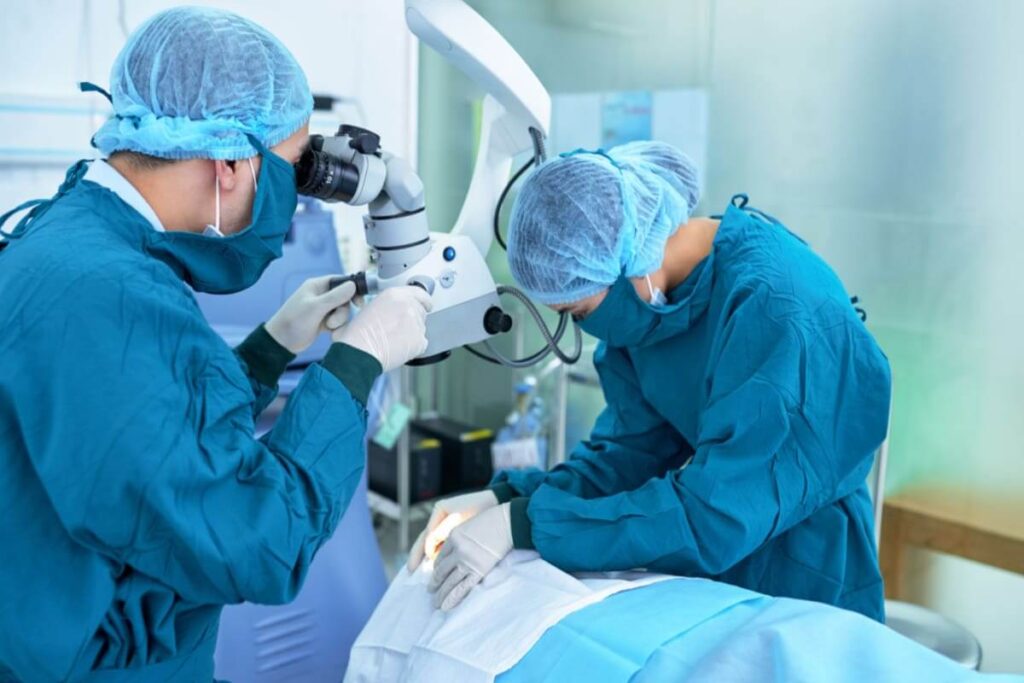
If you believe you are a candidate, the next step is a formal clinical assessment. Here is what to expect:
- Initial Screening: A technician performs corneal mapping (Topography) and measures your prescription.
- Dilation: Your pupils are dilated so the surgeon can examine the health of your retina and the back of the eye.
- Biomechanical Testing: Advanced tools (like the Pentacam) analyze the strength and thickness of your cornea.
- Doctor Discussion: The surgeon reviews the data to confirm if you are a candidate for LASIK or if an alternative like SMILE or PRK is safer.
Common Mistakes to Avoid When Seeking LASIK
- Shopping on Price Alone: Low-cost providers may use older technology or omit comprehensive post-operative care.
- Withholding Medical History: Be honest about medications or past eye injuries.
- Wearing Contacts Before Consultation: You must stop wearing contact lenses (usually 5-7 days for soft lenses) before your exam, as they temporarily reshape your cornea.
Frequently Asked Questions (FAQ)
What is the best age to get LASIK?
While the legal minimum is 18, most surgeons recommend waiting until your mid-20s when your prescription has naturally stabilized.
Can I get LASIK if I have astigmatism?
Yes. Modern femtosecond lasers are highly effective at correcting astigmatism by smoothing out the irregular curvature of the cornea.
Does LASIK hurt?
The procedure is virtually painless. Numbing drops are used, and while you may feel a slight sensation of pressure for about 30 seconds, there is no “sharp” pain.
How long does the recovery take?
Most patients return to work and driving within 24 to 48 hours. However, full “stabilization” of the eye takes about 3 to 6 months.
What if I am not a candidate for LASIK?
Don’t worry. You may be an excellent candidate for SMILE (a flapless procedure), PRK (ideal for thin corneas), or ICL (for very high prescriptions).
Conclusion: Are You Ready for Better Vision?
Determining Am I a candidate for LASIK? is the first step toward a life without visual restrictions. By evaluating the 7 factors that determine your eligibility—from corneal thickness to prescription stability—you can approach your consultation with confidence.
In Australia, the high standard of ophthalmic care ensures that if you are cleared for surgery, you are likely to join the millions who enjoy 20/20 vision or better. If you have stable vision and healthy eyes, the next step is a professional assessment.
Internal Linking Suggestions:
- Anchor Text: “LASIK vs PRK comparison”
- Anchor Text: “Cost of Laser Eye Surgery in Australia”
- Anchor Text: “Recovery tips after LASIK”
Authoritative External References:
- The Royal Australian and New Zealand College of Ophthalmologists (RANZCO)
- Therapeutic Goods Administration (TGA) – Medical Devices Section
Am I a Candidate for LASIK? 7 Factors for Your Eligibility Read More »