

This guide breaks down what to look for, what to ask, and how to avoid common mistakes before booking.
What type of sleep test do they actually offer?
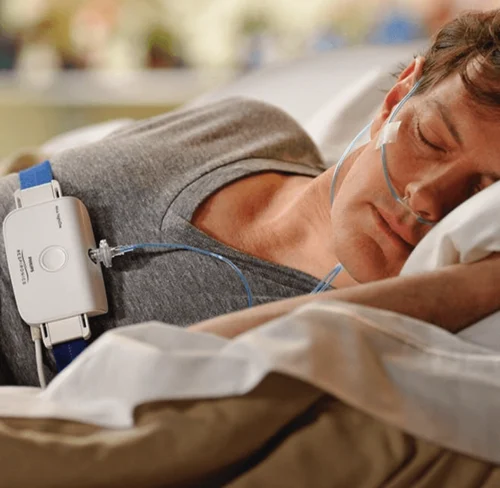
When considering Sleep Testing Adelaide, they should be clear about whether the provider offers an in-lab polysomnography (PSG), a home sleep apnea test (HSAT), or both. In-lab studies are more comprehensive and monitor more signals, while home tests are usually focused on breathing and oxygen levels for suspected sleep apnea.
If they only offer one option, they should explain why it suits the patient rather than pushing it by default.
Are they properly accredited and clinically supervised?
They should be able to explain their clinical governance, including who reviews and signs off results. In Australia, reputable services typically operate with qualified sleep physicians and trained sleep scientists.
If they are vague about oversight, reporting, or who interprets the study, that is a red flag. A reliable provider will state credentials and the clinical pathway without hesitation.
Do they recommend home testing when an in-lab study is more appropriate?
They should screen for whether HSAT is suitable, not assume it is. Home testing can be inappropriate for people with complex medical conditions, significant insomnia, suspected parasomnias, neuromuscular issues, or when a broader assessment is needed.
A good provider asks about symptoms and health history first, then recommends the test type that best matches the clinical question.
What does their diagnostic process look like from referral to results?
They should outline the steps clearly: referral (if needed), pre-test screening, the test itself, scoring, doctor review, and report delivery. They should also provide realistic timing for appointments and turnaround for results.
If their timeline sounds too fast to be credible, or their process seems unclear, it may indicate a low-support service that leaves patients unsure what to do next.
How detailed and actionable is their sleep report?
They should provide a report that is easy for a GP or specialist to use, not just a basic summary. For suspected obstructive sleep apnea, the report typically includes AHI, oxygen desaturation, sleep time estimates (where applicable), positional data, and severity grading.
Most importantly, it should lead somewhere. They should explain what the results mean and what the typical treatment options are.
Do they support patients after the test, or do they end at diagnosis?
They should explain what happens after results, especially if the test is positive. That might include referral to a sleep physician, CPAP trials, mask fitting support, oral appliance pathways, or lifestyle and positional therapy guidance depending on the diagnosis.
If they only provide a report and nothing else, patients may be left to coordinate care alone, which can delay treatment.
What are the true costs, inclusions, and Medicare or private billing options?
They should provide clear pricing upfront, including what is included in the fee. That means the device or lab study, scoring, medical interpretation, and the written report, plus any follow-up appointment fees if applicable.
They should also explain whether a referral is required for rebates and what out-of-pocket costs to expect, so there are no surprises after the test.
How do they handle equipment quality, fitting, and patient instructions?
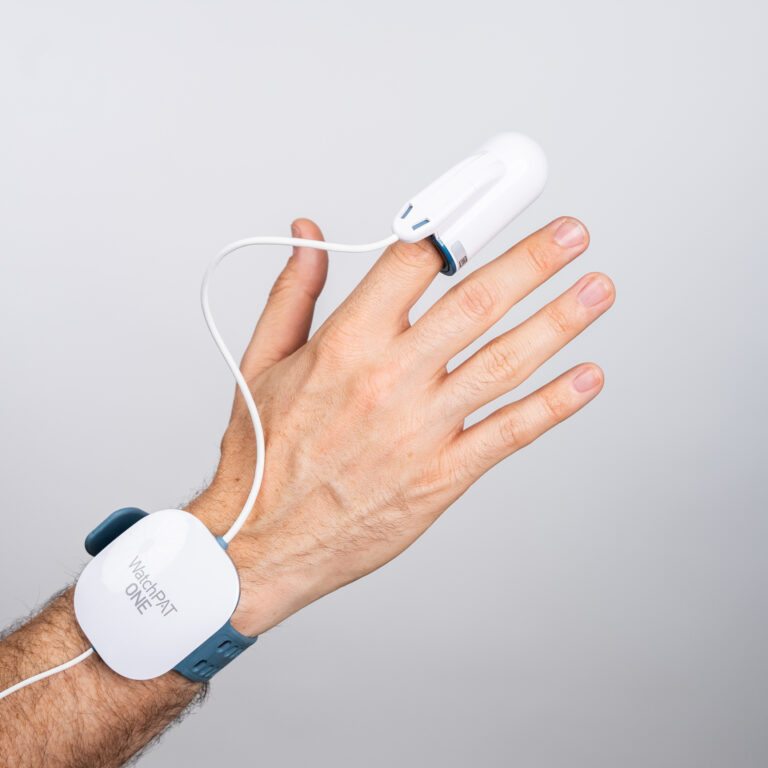
They should offer simple, reliable setup instructions and support, especially for HSAT. Poor sensor placement can affect data quality, which can lead to inconclusive results or underestimating severity.
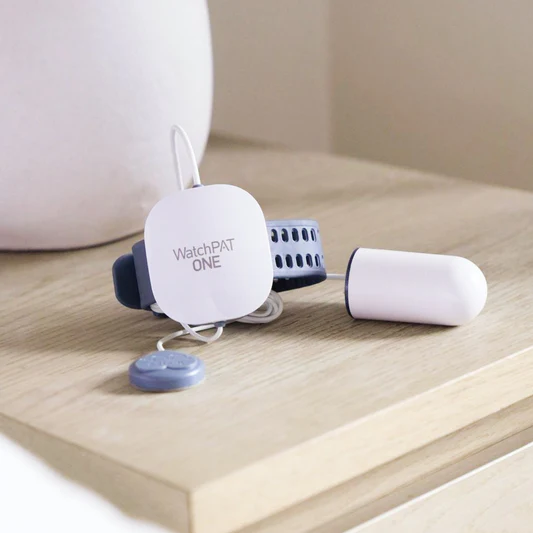
A trustworthy provider explains what the patient needs to do, how they verify sufficient data, and what happens if the study fails or needs repeating. See where to get tested and what happens during a sleep study Melbourne.
Are they experienced with the specific symptoms the patient has?
They should be comfortable discussing the symptoms that prompted testing, such as snoring, choking/gasping, daytime sleepiness, morning headaches, insomnia, or restless sleep. They should also recognise when symptoms point beyond sleep apnea and suggest the right testing pathway.
The best providers do not treat every sleep complaint as the same problem.
What questions should they ask before booking?
They should be willing to answer questions like these before taking payment or scheduling:
- Which test type is recommended for the patient’s symptoms, and why?
- Who scores and interprets the study, and what are their credentials?
- What is the expected turnaround time for results?
- What is included in the price, and are there follow-up fees?
- What happens if the study is inconclusive?
- What treatment pathways do they offer or coordinate after diagnosis?
If they respond clearly and without pressure, it is usually a good sign.
How can they quickly compare providers in Adelaide?
They can compare providers by checking four practical factors: clinical oversight, test options (home and in-lab), transparency on pricing, and post-test support. Online reviews can help, but they should focus on patterns around communication, report clarity, and follow-up care rather than star ratings alone.
When in doubt, the provider that explains the process best is often the safest choice.
What is the safest next step before committing?
They should start with a short call or consultation to confirm suitability and costs. A quick pre-test screening can prevent booking the wrong test, wasting money, or delaying diagnosis.
Once they feel confident about the pathway, booking becomes simple: choose the provider that offers the right test, proper clinical review, and a clear plan after the results.
FAQs (Frequently Asked Questions)
What types of sleep tests are available in Adelaide and how do I know which one is right for me?
Sleep testing providers in Adelaide typically offer in-lab polysomnography (PSG), home sleep apnea tests (HSAT), or both. In-lab PSG is more comprehensive, monitoring various signals, while HSAT primarily focuses on breathing and oxygen levels for suspected sleep apnea. A reputable provider will assess your symptoms and health history to recommend the most suitable test rather than pushing one option by default.
How can I verify if a sleep testing provider in Adelaide is properly accredited and clinically supervised?
A trustworthy provider should clearly explain their clinical governance, including who reviews and signs off on results. In Australia, reputable services operate with qualified sleep physicians and trained sleep scientists. If the provider is vague about oversight or credentials, it may be a red flag. Always ask about their clinical pathway and qualifications before booking.
Is home sleep testing always appropriate, or are there cases where an in-lab study is better?
Home sleep testing isn’t suitable for everyone. It may be inappropriate for individuals with complex medical conditions, significant insomnia, suspected parasomnias, neuromuscular issues, or when a broader assessment is needed. A good provider screens your symptoms and medical history first to determine whether HSAT or an in-lab study best addresses your clinical needs.
What should I expect from the diagnostic process when booking a sleep test in Adelaide?
A reliable provider will outline each step clearly: referral (if needed), pre-test screening, conducting the test, scoring data, physician review, and report delivery. They should provide realistic timelines for appointments and result turnaround. Beware of services that promise unrealistically fast results or have unclear processes as these may indicate low support or incomplete care pathways.
How detailed and actionable are the sleep reports provided after testing?
Sleep reports should be comprehensive yet easy to understand by your GP or specialist. For suspected obstructive sleep apnea, reports typically include Apnea-Hypopnea Index (AHI), oxygen desaturation levels, estimated sleep time (if applicable), positional data, and severity grading. Importantly, the report should explain what the results mean and outline typical treatment options to guide next steps.
Do Adelaide sleep testing providers offer support after diagnosis or just deliver the report?
Quality providers don’t stop at diagnosis; they offer post-test support such as referrals to sleep physicians, CPAP trials, mask fitting assistance, oral appliance pathways, or lifestyle advice depending on your diagnosis. Providers who only give you a report without further guidance may leave you to navigate treatment alone, potentially delaying effective care.