

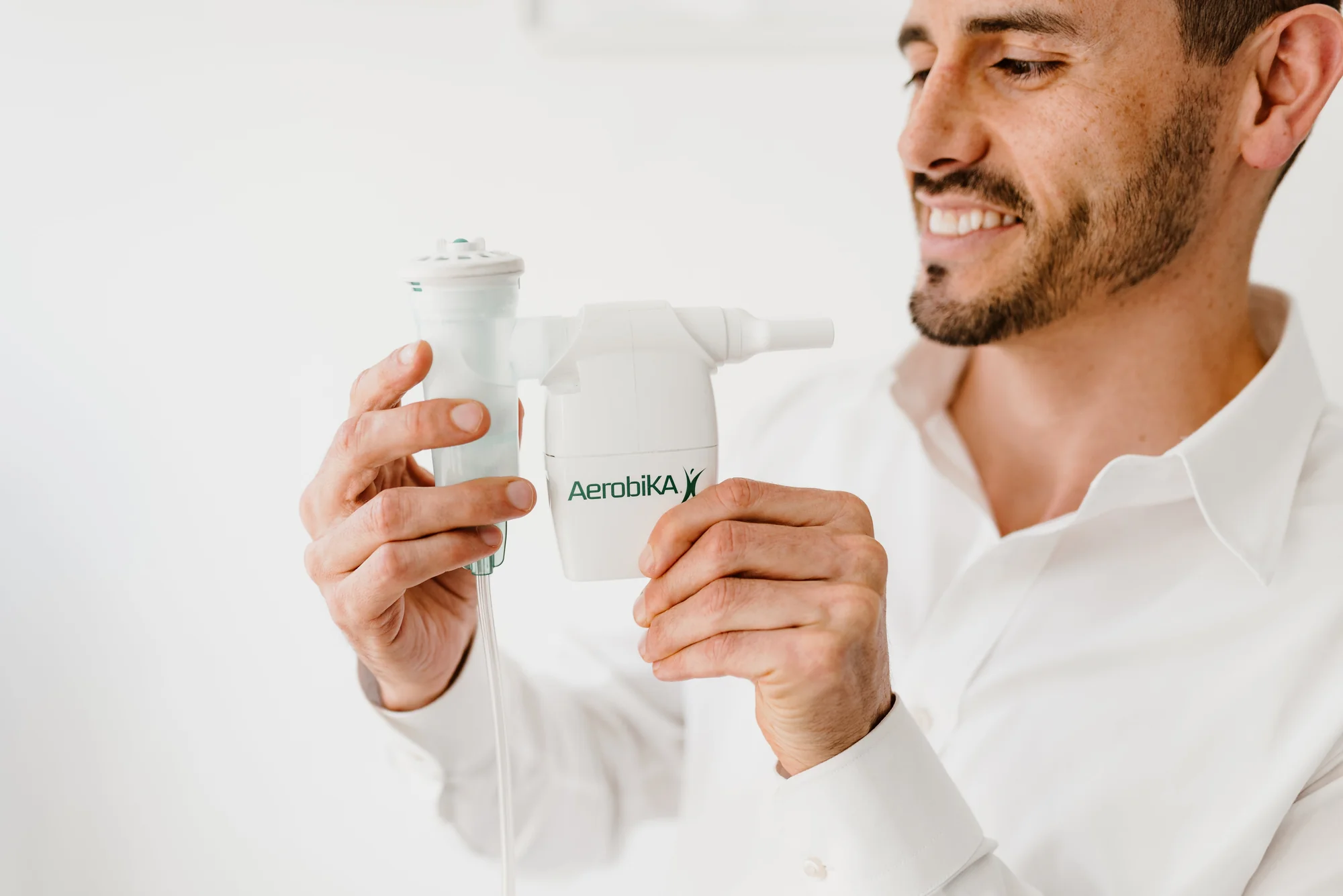
Used correctly, it can make airway clearance sessions more productive and less exhausting.
What does the Aerobika device actually do?
Aerobika device creates resistance as they breathe out, which helps keep airways open and moves air behind mucus. At the same time, an internal mechanism produces oscillations that shake mucus loose so it can be coughed out more easily.
It is not a rescue inhaler and it does not replace prescribed medications. It is a technique tool that works best as part of an overall clearance routine.
Who should use an Aerobika device and who should avoid it?
It is commonly recommended for people who produce mucus they cannot clear well on their own, especially with chronic lung conditions. Clinicians may also suggest it short term after illness or surgery to support airway hygiene.
They should not use it without medical guidance if they have severe shortness of breath at rest, active coughing up of significant blood, an untreated pneumothorax, or recent major chest or facial surgery where pressure is restricted. When in doubt, they should confirm safety with their clinician.
What should they do before the first session?
They should wash hands and inspect the device for cracks, discoloration, or debris. If it is new, they should clean it before first use and let it fully air dry.
They should also choose a calm setup: seated upright, feet supported, shoulders relaxed, with tissues or a sputum cup nearby. If they use bronchodilators or nebulized therapy, they should follow their clinician’s sequence since timing can change how well mucus mobilizes.
How do they assemble and hold the Aerobika correctly?
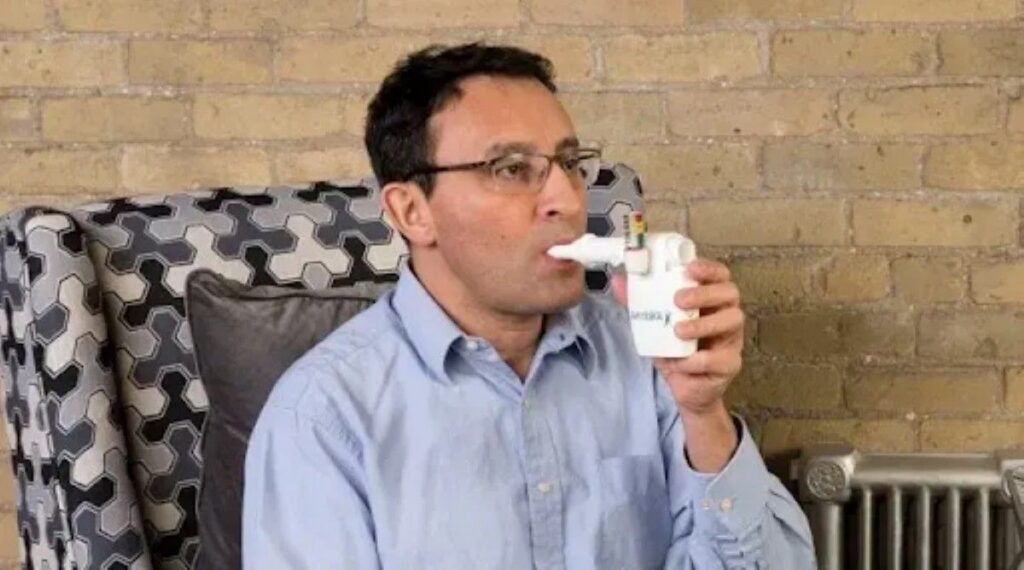
They should ensure the mouthpiece is firmly attached and that any setting dial, if present on their model, is set to the starting resistance recommended by their clinician. The device should be held level, with the mouthpiece sealed by the lips.
They should avoid biting down hard or letting air leak at the corners of the mouth, since leaks reduce pressure and vibration.
How should they breathe through it for best results?
They should inhale slightly deeper than normal, then hold the breath for about 2–3 seconds if comfortable, and exhale actively but not forcefully through the device. The exhale should be long enough to feel resistance and oscillation without causing wheezing, dizziness, or a coughing fit.
A common target is 10–20 breaths per cycle. If they feel lightheaded, they should pause, return to normal breathing, and restart more gently.
How can they pick the right resistance setting?
They should aim for a setting that produces clear vibrations during exhale while still allowing a steady, controlled breath out. Too low can feel like “nothing is happening.” Too high can cause strain, short exhalations, or fatigue.
A practical rule is that they should be able to complete a comfortably long exhale and still feel oscillation. If they are unsure, they should start lower and adjust upward gradually based on comfort and mucus movement.
What coughing technique should they use after a cycle?
They should switch from repeated hard coughing to a controlled technique to reduce airway irritation. After a set of breaths, they can do 1–2 “huffs” by taking a medium breath in and exhaling forcefully with an open throat like fogging a mirror, then follow with a cough only if mucus is ready to come up.
They should expect mucus to move gradually over several cycles rather than all at once.
How long should a full Aerobika session take?
Most people do several cycles of 10–20 breaths plus huffing or coughing between cycles, totaling about 10–20 minutes. The “right” duration is the time it takes for theirs to feel clearer and for mucus to be adequately mobilized without over-fatiguing them.
If they have a prescribed airway clearance plan, they should match the number of cycles and frequency their clinician recommends.
When should they use it during the day?
They often use it in the morning to clear overnight buildup and later in the day if mucus accumulates. Some prefer using it before activity so breathing feels easier.
They should avoid using it immediately before lying down if it triggers coughing that disrupts sleep. If they are using inhaled medications, they should follow their clinician’s order since bronchodilation or hydration treatments can improve clearance results.
See Also : Chronic Obstructive Pulmonary Disease Clinical Care Standard
How do they clean and dry it properly?
They should disassemble the parts according to the device instructions and wash with warm water and mild dish soap, then rinse thoroughly. Soap residue can irritate airways, so rinsing matters.
They should air dry all parts completely on a clean towel. If disinfection is recommended for their situation, they should follow the manufacturer’s method and frequency. They should never store it wet or closed up while damp.
What mistakes make the Aerobika less effective?
The most common issue is exhaling too hard or too fast, which can shorten the breath out and reduce effective oscillation time. Another is shallow breathing that never creates enough pressure to mobilize mucus.
Leaky lip seal, poor posture, skipping the cough or huff step, and inconsistent use also limit results. If theirs is not producing noticeable vibration, they should reassess technique and resistance.
What signs mean they should stop and get medical advice?
They should stop if they develop chest pain, severe shortness of breath, faintness that does not resolve with rest, or significant coughing up of blood. They should also get advice if wheezing worsens sharply, fever develops with a change in sputum, or airway clearance becomes dramatically harder than usual.
If symptoms escalate, they should seek urgent care rather than trying to “push through” a session.
How can they make it part of a sustainable routine?
They should tie use to an existing habit, like after morning hygiene or before an evening wind-down, so it becomes automatic. Tracking helps too: they can note time of day, how many cycles they completed, and whether mucus was easier to clear.
Consistency usually beats intensity. A steady, comfortable technique done regularly is more effective than occasional sessions that leave them exhausted.
Related : Where to Find a Portable Oxygen Concentrator for Sale Australia