

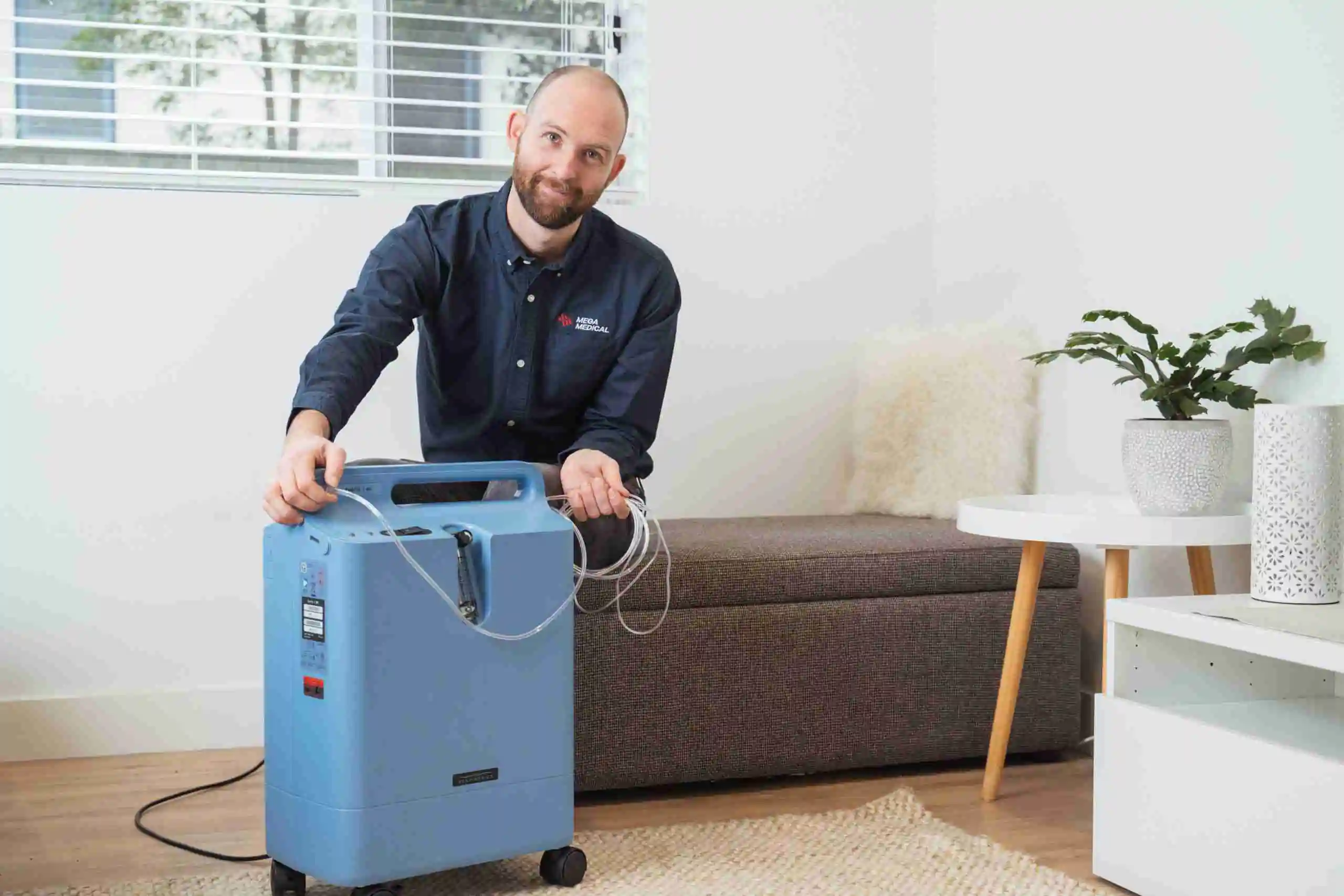
Because these devices are medical equipment, buyers should prioritise local support, warranty, and service access over the cheapest sticker price.
What should they confirm before buying a portable oxygen concentrator in Australia?
They should confirm the prescribed oxygen setting (pulse dose vs continuous flow), the required litres per minute, and typical daily usage hours. Those three details narrow the shortlist fast and prevent buying a unit that cannot meet clinical needs.
They should also check portability factors when choosing a Portable Oxygen Concentrator for Sale, including battery runtime, weight, noise levels, and whether they plan to fly. If they are travelling, they should ask for the exact model name and confirm airline acceptance and battery rules before purchase.
Where can they buy from authorised portable oxygen concentrator suppliers?
Authorised suppliers are often the safest place to start because they typically provide Australian warranty coverage, training, and servicing. They also tend to stock genuine batteries and filters, which matters because accessories can be expensive and counterfeits do exist.
To find authorised sellers, they can check the manufacturer’s website for an “Australia” dealer list, then call to confirm stock, lead times, and service arrangements. If the seller cannot clearly explain warranty terms and servicing in Australia, it is usually a red flag.
Can they buy a portable oxygen concentrator through pharmacies or medical retailers?
Yes, some Australian pharmacies and medical equipment retailers sell or can order POCs, especially larger chains or stores with a home healthcare division. This option can work well for buyers who want in-person pickup, basic advice, and easier returns.
They should still ask who handles warranty claims and repairs, and whether the retailer provides loan units during servicing. A good retailer will explain ongoing costs like replacement filters, cannulas, and extra batteries without being vague.
Is it better to buy online from an Australian store?
Buying online from an Australian-based medical supplier can be a good balance of price and safety if the store offers clear warranty terms, local returns, and an Australian service pathway. A legitimate store should publish an ABN, contact details, and policies that read like real healthcare retail, not generic ecommerce pages.
They should avoid listings that do not state the exact model number, condition, included accessories, and warranty coverage. If the page is unclear about whether the unit is new, refurbished, or imported, they should ask in writing before paying.
Should they consider refurbished or second-hand portable oxygen concentrators?
Refurbished units can be a sensible option if they come from a reputable Australian supplier with documented testing, a written warranty, and clear hours of use. For some buyers, this is the only realistic way to afford a premium model with reliable batteries.
Second-hand marketplace purchases carry higher risk because battery health, internal wear, and contamination history are hard to verify. If they do buy used, they should insist on proof of servicing, confirm consumables can be replaced easily, and budget for a new battery, since battery replacement can erase the savings.
Can they rent a portable oxygen concentrator instead of buying?
Renting can be ideal when they need oxygen short-term, want to trial a model, or are recovering after surgery or illness. Rental providers often include consumables, support, and quick swap-outs if something fails, which reduces stress for first-time users.
They should ask whether the rental is a POC or oxygen cylinders, what is included in the weekly fee, and how emergency support works after hours. If travel is involved, they should confirm whether the rental model is suitable for flights and long days away from power.
What about buying through hospital respiratory teams or sleep clinics?
Respiratory teams and some clinics can recommend suitable models and point buyers toward trusted suppliers. This route is helpful when the prescription details are complex or when they need continuous flow rather than pulse dose.
They should ask for a copy of the prescription and recommended specifications, not just a brand suggestion. That makes it easier to compare suppliers fairly and reduces the chance of buying a unit that does not match clinical requirements. Read more about how to use Aerobika device effectively.
How can they check if a seller is legitimate and the device is compliant?
They should look for clear Australian warranty wording, a real service address, and a serial number process that the seller is willing to confirm. A legitimate seller should be comfortable answering questions about maintenance schedules, filters, and battery replacement.
They should also request written confirmation of what is included: batteries, charger, carry bag, filters, and user manuals. If the seller avoids specifics or pressures them to buy immediately, they are better off walking away and choosing a supplier with transparent support.
What costs should they expect beyond the purchase price?
They should expect ongoing costs for replacement cannulas and filters, plus optional extra batteries for longer days out. Batteries are often the biggest recurring cost, especially for frequent travellers who need multiple spares to stay mobile.
They should also factor in servicing, even if it is infrequent, and the cost of downtime if the device needs repair. Choosing a supplier with local service and fast turnaround can save money long-term, even if the upfront price is higher.
Where should they start if they want the safest, fastest purchase?
They should start by calling an authorised Australian supplier or a reputable medical equipment retailer and describing the prescription requirements and daily routine. In most cases, that results in a short list of suitable models, a clear quote, and support they can actually rely on.
If they are unsure, renting first is often the lowest-risk way to confirm comfort, noise, battery life, and portability before committing to a full purchase.